
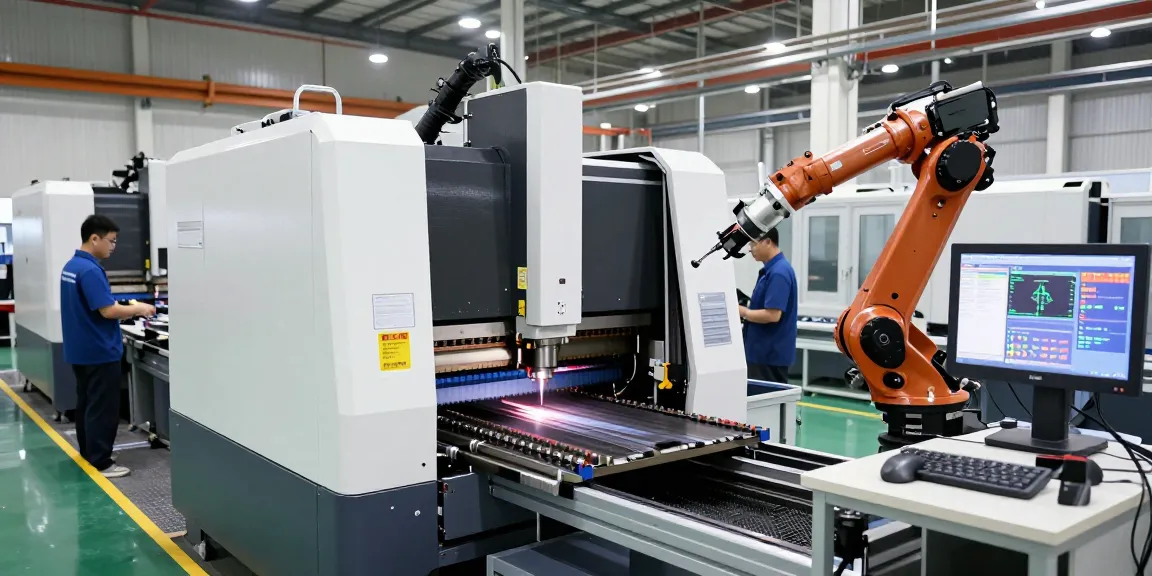
Understanding CNC Press Brake Technology
In the ever-evolving landscape of manufacturing technology, the CNC press brake stands out as a crucial piece of equipment for bending metal sheets with precision. Over the years, these machines have advanced significantly, offering manufacturers the ability to produce components with remarkable accuracy and efficiency. The hydraulic CNC press brake operates via a computer numerical control (CNC) system, allowing the operator to program operation parameters for bending operations. This automation can enhance productivity, reduce manual errors, and ensure consistent quality across all workpieces. When exploring options, best cnc press brake factory provides comprehensive insights into the features and benefits of modern CNC press brakes.
What is a CNC Press Brake?
A CNC press brake is a machine tool used in the metalworking industry that performs bending operations on sheet metal. The technology behind a CNC press brake utilizes computer programming to dictate the bending process, which allows for enhanced precision and repeatability compared to manual press brakes. It typically includes various components such as a ram, a bed, and a die set, which work in conjunction to form metal sheets into desired shapes.
Key Features of Modern CNC Press Brakes
Modern CNC press brakes come equipped with an array of features designed to enhance functionality and usability. Some of the key features include:
- Precision Control: The use of servo motors and electro-hydraulic controls provides real-time feedback and high precision.
- CNC Touch Screen Interface: A user-friendly interface allows operators to program bends easily and access operational data quickly.
- Multiple Axis Control: Advanced models can control multiple axes, allowing for complex bend shapes and intricate designs.
- Safety Mechanisms: Features such as light curtains and safety doors ensure operator safety during the metal bending process.
- Energy Efficiency: Newer models often utilize hybrid technology that adapts energy consumption based on operational demands.
Comparing CNC and Manual Press Brakes
While manual press brakes have traditionally been used in workshops, they lack the efficiency and consistency of CNC models. A comparison reveals several advantages of CNC press brakes over manual ones:
- Automation: CNC machines automate the bending process, reducing the need for manual intervention.
- Consistency: CNC technology ensures that each bend is replicated with precise measurements across all parts.
- Reduced Labor Costs: While initial investment might be higher, the reduction of manual labor can lead to lower overall operating costs.
- Flexibility: Changing the design or programming can be done with minimal downtime, enabling quicker adaptations to production needs.
Choosing the Right CNC Press Brake for Your Needs
Selecting the right CNC press brake involves several considerations that can significantly impact your manufacturing efficiency and output quality. Understanding your specific operational needs and capabilities is crucial.
Factors Affecting CNC Press Brake Selection
When choosing a CNC press brake, consider the following factors:
- Load Capacity: This is determined by the thickness and type of material being processed. A higher load capacity may be required for thicker sheets.
- Workpiece Dimensions: Ensure that the press brake can accommodate the dimensions of the materials you’re working with, including length and width.
- Axis Configuration: Determine the number of axes required for your bending operations. Standard configurations include 4+1 axes, with optional expansions to 6+1 or 8+1 axes.
- Control System: Evaluate the features of the CNC control system, looking for a system that allows for easy programming and data management.
Customizing Your CNC Press Brake
Customization options can significantly enhance the functionality of CNC press brakes. Manufacturers often offer additional features such as:
- Automated Backgauge Systems: These systems can sharpen accuracy during the bending process.
- Table Crowning: To accommodate material deflections, CNC press brakes can include mechanically or electronically controlled crowning systems.
- Robotic Integration: Including robotic arms can automate the handling of large sheets and increase overall production efficiency.
Determining Price Ranges and Budgeting
The cost of CNC press brakes can vary widely based on their features and capabilities. Generally, a price range of $20,000 to $45,000 can be expected, depending on the specifications needed. When budgeting, consider not only the initial purchase price but also:
- Operation Costs: These include energy consumption, maintenance, and any potential labor costs.
- Training Costs: If new operators need training, that should also be factored into the budget.
- Return on Investment (ROI): Analyze how the investment will improve production efficiency and product quality over time.
Maximizing Efficiency with CNC Press Brakes
Even the most advanced CNC press brake can only be as effective as the operations it supports. Therefore, maximizing its efficiency involves good practices both in operation and maintenance.
Best Practices in CNC Operation
To ensure optimal operation of CNC press brakes:
- Regular Programming Checks: Frequently review and update machine programming to reflect current job specifications.
- Tool Maintenance: Keep tools and dies in top condition to maintain precision in bending operations.
- Operator Training: Ensure all operators are well-trained on equipment, focusing on safety and operational best practices.
Implementing Maintenance Protocols
Establishing regular maintenance schedules can prolong the life of CNC press brakes and prevent costly downtime:
- Daily Inspections: Conduct daily checks for wear and tear on key components, such as hydraulic systems and tools.
- Oil Replacement: Maintain proper hydraulic oil levels and replace oil when necessary to keep the system functioning smoothly.
- Software Updates: Keep the CNC software up-to-date to utilize the latest features and security patches.
Upgrading for Enhanced Performance
As technology evolves, manufacturers may find themselves needing to upgrade their CNC press brakes for improved performance. Possible upgrades include:
- Advanced CNC Systems: Upgrading to a more sophisticated CNC control system can provide additional functionalities such as real-time analytics and performance monitoring.
- Servo Motors: Replacing older motors with modern servo motors can lead to better precision and reduced energy consumption.
- Integrating IoT Solutions: Connecting machines to IoT platforms can enhance monitoring and predictive maintenance capabilities.
Future Trends in Press Brake Technology
The future of CNC press brakes holds exciting advancements influenced by technology trends, reshaping manufacturing capabilities.
Impact of AI and Automation in Manufacturing
Artificial intelligence is increasingly being integrated into manufacturing processes, including CNC technology. AI can assist in:
- Predictive Analytics: Using data analysis to predict maintenance needs and operational failures before they occur.
- Optimization Algorithms: Automatically adjusting machine settings for optimal performance based on real-time data inputs.
Environmentally Friendly Practices in Production
With increasing emphasis on sustainability, CNC press brake manufacturers are seeking ways to minimize their environmental impact:
- Energy-efficient Designs: Innovations focusing on energy savings throughout operation can reduce overall carbon footprints.
- Material Recycling: More manufacturers are adopting practices to recycle any scrap materials produced during bending processes.
The Rise of Hybrid and Robotic Press Brakes
Hybrid and robotic press brakes are gaining momentum as manufacturers seek increased productivity and reduced labor costs. The benefits include:
- Energy Consumption Reduction: Hybrid press brakes optimize energy use by employing servo motors for certain functions, resulting in cost savings.
- Automation: Robotic press brakes replace human operators in many functions, enhancing speed and efficiency while reducing the risk of human error.
FAQs about CNC Press Brakes
What are the advantages of using CNC over conventional machines?
The primary advantages include improved precision, efficiency, reduced operational costs, and enhanced repeatability in operations. CNC press brakes also allow for quicker adjustments to designs and greater flexibility in production.
What materials can be processed with CNC press brakes?
CNC press brakes can process a variety of materials including steel, aluminum, copper, titanium, and specialized alloys, making them versatile for numerous applications.
How can I improve my CNC press brake’s productivity?
Improving productivity can be achieved through regular maintenance, operator training, upgrading software, and optimizing programming to minimize the time for each operation cycle.


