
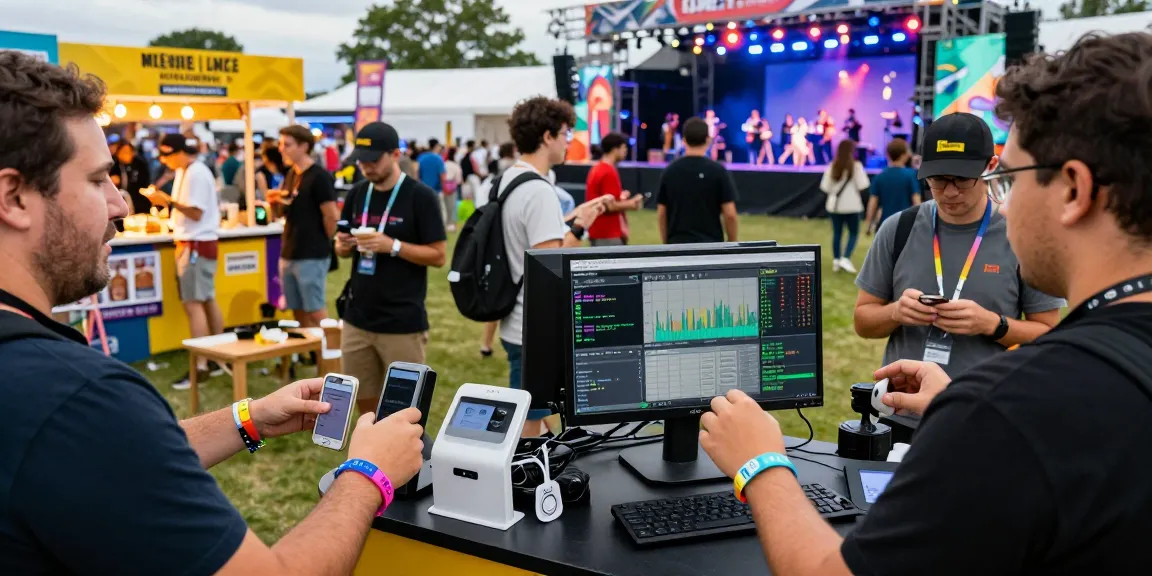
Understanding RFID Control de Accesos
In the realm of event management, the integration of technology is no longer an option; it is a necessity. Central to this evolution is RFID (Radio-Frequency Identification) technology, which is transforming the landscape of access management. RFID control de accesos offers a streamlined approach to handling large crowds, ensuring security, efficiency, and an enhanced experience for attendees. This article delves into the ins and outs of RFID technology, its application in events, and how it can significantly elevate the experience for both organizers and attendees.
When exploring options, RFID control de accesos provides comprehensive insights into managing events more effectively, reducing wait times and improving overall satisfaction.
What is RFID Technology?
RFID technology utilizes electromagnetic fields to automatically identify and track tags attached to objects. An RFID system typically consists of three components: a tag, a reader, and an antenna. The tags contain a microchip that stores data, while the reader transmits electromagnetic waves to communicate with the tag. This interaction allows for rapid data exchange without the need for direct line-of-sight, making it ideal for managing access in crowded environments such as festivals and conferences.
How RFID Enhances Event Experiences
Implementing RFID technology in events offers several enhancements, such as:
- Reduced Queuing Times: RFID wristbands can be scanned in seconds, allowing for a smooth entry process.
- Cashless Transactions: Attendees can make seamless payments without the need for physical cash or cards.
- Real-Time Monitoring: Event organizers can track attendance and crowd movement in real-time, improving safety and logistics.
Key Components of RFID Systems
An effective RFID system is comprised of various components that work in harmony:
- RFID Tags: Each wristband or pass has an embedded RFID chip that uniquely identifies the attendee.
- RFID Readers: Installed at entry points, these devices read the tags as attendees pass through.
- Data Management Software: Centralized software allows event organizers to manage access, payments, and attendee data efficiently.
Benefits of RFID in Event Access Control
Streamlining Entry Processes
One of the most significant benefits of RFID is its ability to streamline entry processes. Traditional methods of checking tickets can lead to long lines and frustrated attendees. With RFID wristbands, entry can be processed in a matter of seconds. As attendees scan their bracelets at access points, the system instantly verifies their eligibility, allowing them to enter without any hassle. This efficiency not only improves the attendee experience but also enhances the overall image of the event.
Real-Time Data Management and Analytics
RFID systems provide event organizers with valuable data in real-time. By monitoring entry points and areas within the venue, organizers can gain insights into:
- Peak entry times
- Popular areas and services
- Crowd density and safety management
This level of analytics helps in making informed decisions, optimizing operations, and ensuring a safe environment for all attendees.
Improving Attendee Satisfaction and Engagement
Attendee satisfaction is paramount in any event, and RFID technology plays a crucial role in enhancing it. Features such as cashless payments and quick access significantly reduce friction points that can detract from the experience. Moreover, the data collected can be used to personalize interactions, tailoring offerings to suit attendee preferences better.
Implementing RFID Solutions for Events
Choosing the Right RFID System for Your Event
Selecting the appropriate RFID solution depends on various factors, including the size of the event, audience demographics, and specific needs. Considerations should include:
- Type of RFID technology (active vs. passive)
- Integration with existing systems
- Scalability for future events
Step-by-Step Implementation Guide
Implementing an RFID system involves the following steps:
- Assessment: Identify needs and set clear objectives.
- Selection: Choose the right RFID technology and vendor.
- Execution: Install equipment and conduct testing prior to the event.
- Training: Educate staff on the operation of the RFID system.
- Post-Event Analysis: Analyze data for insights and improvements for future events.
Training Staff for RFID Operations
Proper training is essential for successful RFID implementation. Staff should be well-versed in using RFID readers, troubleshooting common issues, and managing the data collection process. Regular training sessions and clear instructional materials can ensure that everyone is prepared for any challenges that may arise during the event.
Case Studies: RFID Success Stories in Major Events
Analysis of SoundWave Festival
SoundWave Festival utilized RFID technology to manage the access of over 40,000 attendees. The result was a seamless entry process where long queues were virtually eliminated. According to Marcos Torné, Director of SoundWave Festival, “The system was impeccable. We managed the entry of thousands without any delays at the main access points.” This success story highlights the effectiveness of RFID control de accesos in large-scale events.
Insights from TechCon Global
TechCon Global implemented an RFID solution for their annual conference, significantly enhancing operational efficiency. Elena Rodríguez, Operations Manager, stated, “The cashless experience was incredibly easy. Reports that previously took days to compile were generated within seconds of closing the event.” This efficiency in data management underlines the benefits RFID offers in both attendee experience and organizational effectiveness.
Lessons Learned from Real-World Applications
These case studies reveal several key lessons for event organizers:
- Investing in quality RFID technology pays off in the long run through increased efficiency.
- Real-time data availability transforms decision-making and enhances safety.
- Attendee feedback is crucial; understanding user experience can drive improvements.
Future Trends in RFID Technology for Events
Emerging Technologies and Innovations
The future of RFID technology in events looks promising with continuous advancements. Innovations such as integrated mobile apps allow attendees to use their smartphones for RFID interactions, further streamlining processes. Additionally, advancements in analytics software will provide deeper insights into attendee behavior, enhancing personalization and engagement strategies.
Predictions for 2026 and Beyond
As we move toward 2026, we can expect RFID technology to become even more prevalent in events of all sizes. The growing emphasis on contactless solutions will drive demand for RFID systems, especially in light of recent trends toward hygiene and safety. Event planners will increasingly rely on data-driven insights provided by RFID systems to optimize event experiences.
How to Stay Ahead in Event Management
To remain competitive, event organizers should continually explore and adopt new technologies. Keeping abreast of industry trends, investing in training, and leveraging data analytics will be key in maintaining a leading edge. Collaborating with experienced vendors can also ensure that the latest developments in RFID technology are effectively integrated into event strategies.
What are the main advantages of using RFID control de accesos?
The primary advantages of RFID control de accesos include streamlined entry processes, enhanced security, real-time data analytics, and improved attendee satisfaction through cashless transactions and reduced wait times.
How does RFID improve attendee experience at events?
RFID enhances the attendee experience by facilitating quick entry, enabling cashless payment options, and providing personalized services based on real-time data insights.
What are the costs associated with implementing RFID systems?
The costs can vary widely based on the type of RFID technology chosen, the scale of the event, and necessary infrastructure. However, many event organizers find that the long-term benefits outweigh the initial investment.
Can RFID be used in all types of events?
RFID technology is quite versatile and can be adapted for various events, including festivals, conferences, trade shows, and corporate gatherings. Its scalability makes it suitable for small to large-scale events.
What is the future of RFID technology in the event industry?
With continuous advancements, the future of RFID in the event industry looks bright. As technology evolves, we can expect more integration with mobile platforms, improved analytics capabilities, and increased emphasis on contactless solutions to enhance attendee experiences.


