Understanding AI Image Editors: A Comprehensive Overview
The digital landscape is ever-evolving, and nowhere is this more evident than in the realm of image editing. As the boundaries of creativity are continuously reshaped, AI image editors have emerged as transformative tools for professionals and hobbyists alike. These innovative applications leverage artificial intelligence to enhance, modify, and create images with unprecedented efficiency and quality. Understanding these tools not only aids in improving your creative output but also optimizes your workflow. When exploring options, ai image editor provides comprehensive insights that can help streamline your editing tasks.
What is an AI Image Editor?
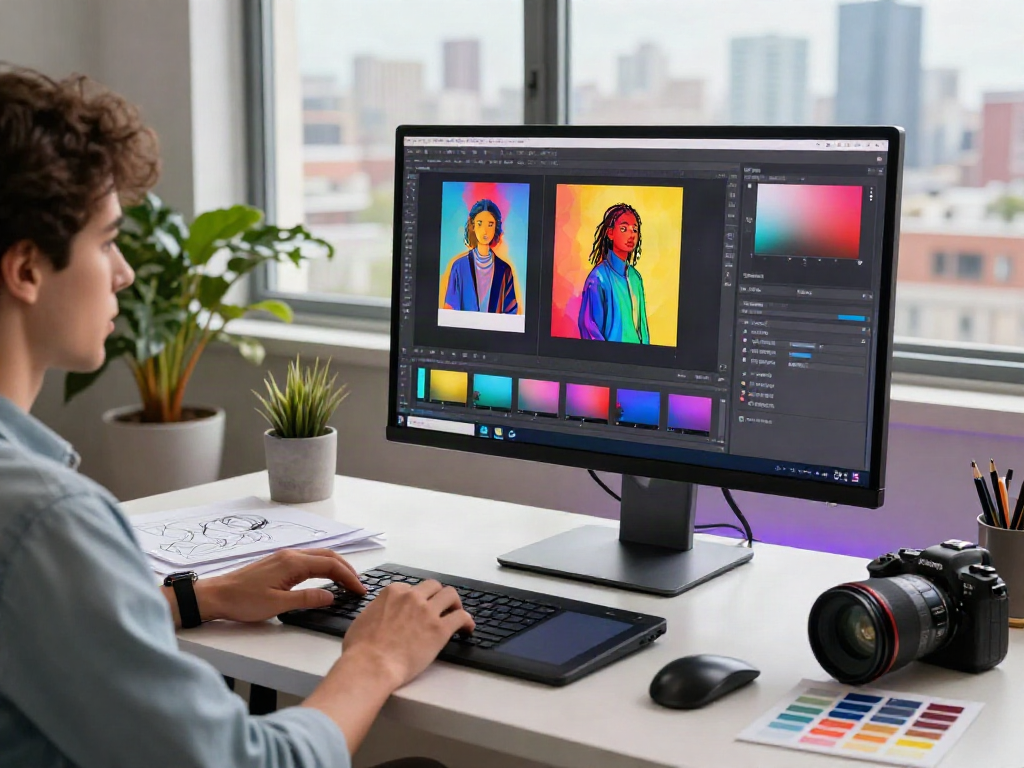
An AI image editor is a software application that utilizes artificial intelligence algorithms to assist users in editing images. Unlike traditional editing software, AI image editors can analyze images and automatically suggest or apply changes based on learned patterns and user preferences. These tools can perform tasks such as background removal, photo enhancements, color corrections, and even style transfers with remarkable accuracy and speed. They are designed to make image editing accessible to individuals regardless of their skill level while also catering to the nuanced needs of professionals.
Benefits of Using AI for Image Editing
- Efficiency: AI image editors can drastically reduce the time needed to edit images by automating repetitive tasks.
- Cost-Effective: For freelancers and small businesses, using AI tools can diminish the need for extensive software training or hiring specialized personnel.
- Enhanced Creativity: AI can inspire new creative avenues such as style transfer or automated adjustments, enabling users to explore innovative designs.
- Accessibility: AI tools often come with user-friendly interfaces, allowing users of all skill levels to produce professional-quality images.
Key Features of Effective AI Image Editors
When evaluating AI image editors, certain features should stand out as indicators of their effectiveness:
- Intuitive Interface: Users should be able to navigate easily without overwhelming complexity.
- Wide Range of Editing Tools: A good editor should offer basic and advanced functionalities, from cropping and resizing to advanced filters and effects.
- Real-time Processing: The ability to see changes applied instantly as you edit can significantly enhance the editing experience.
- Cloud Integration: Many AI image editors now offer cloud storage options, enabling easy access and collaboration.
Top AI Image Editor Tools in 2026
As the market evolves, numerous tools have emerged that cater to different needs. From comprehensive suites to specialized apps, the following are standout AI image editors that are gaining traction in 2026.
Leading AI Image Editors Reviewed
Several AI image editors have gained popularity due to their unique features and capabilities:
- Adobe Photoshop with AI Integration: Adobe continues to lead with its AI-powered features, offering powerful tools that enhance photo editing without compromising quality.
- Canva Pro: A user-friendly platform that combines design and editing, Canva provides AI features that help streamline the creative process for marketers and content creators.
- GIMP with AI Plugins: GIMP remains a go-to open-source option, and with the introduction of new AI plugins, its capabilities expand significantly.
- Fotor: Well-regarded for its simplicity, Fotor has integrated AI to enhance user experience, offering one-click solutions for image improvements.
Comparative Analysis of Features and Pricing
As varied as their features are, these tools also differ considerably in terms of pricing:
- Adobe Photoshop: Subscription-based starting at $20.99/month with extensive features suitable for professionals.
- Canva Pro: Priced at $12.95/month, it’s an ideal blend of design and editing tools for small businesses.
- GIMP: Completely free, making it an excellent choice for those on a budget, albeit needing technical knowledge for best use.
- Fotor: Offers a free version with limitations and a premium version at $8.99/month, striking a balance between access and functionality.
User Testimonials: Real-World Performance
User experience often serves as the best indicator of a tool's effectiveness. For instance, many users have praised Adobe Photoshop for its comprehensive tools, noting that while it has a steep learning curve, the results are often worth the investment. On the other hand, Canva users highlight its intuitive interface, making it perfect for those without extensive design backgrounds. GIMP users, while appreciating the free aspect, often mention the need for additional tutorials to maximize its potential.
Common Challenges and Solutions with AI Image Editors
While AI image editors represent significant advancements in technology, they are not without challenges. Understanding these can better equip users to navigate the potential pitfalls.
Common Misconceptions About AI in Image Editing
One common misconception is that AI image editors are a replacement for human creativity. In reality, they are tools designed to augment the creative process, making it quicker and more efficient. Another misconception is that they can only cater to novice users; however, many advanced features cater to professionals, providing nuanced control over various editing aspects.
Addressing User Pain Points and Limitations
Some users may face issues such as inaccurate AI suggestions or limited customization capabilities. To address these, it's essential to choose a reputable tool that continually updates its algorithms and offers user-friendly customization options. Joining forums and user groups can also provide insights into effectively leveraging these tools' capabilities.
Best Practices for Optimizing AI Image Editing
To make the most of AI image editing, consider the following best practices:
- Regularly update your software to utilize the latest features and improvements.
- Experiment with different tools to find the ones that best suit your editing style.
- Take advantage of community resources, including tutorials and forums, to enhance your skills.
- Always maintain backups of original images to ensure that you can revert to the initial state if necessary.
The Future of Image Editing with AI Technology
The future of image editing is intrinsically linked to the advancements in AI technology. As artificial intelligence continues to evolve, we can expect even more sophisticated tools that further blur the lines between human creativity and machine processing.
Emerging Trends in AI Image Editing
Several trends are shaping the future landscape of AI image editing:
- Deep Learning Enhancements: Expect tools that utilize deep learning to improve their understanding of user preferences and automate sophisticated edits.
- Real-time Collaboration: As remote work becomes more common, features that facilitate collaboration among teams in real-time are becoming vital.
- Augmented Reality (AR) Integration: The blend of AI image editing and AR can lead to innovative experiences, allowing users to see edits in a live setting.
Impact of AI Advancements on Creative Industries
The impact of AI on creative industries can be profound. From graphic design and marketing to photography and videography, AI image editors are reshaping workflows and expanding creative possibilities. This transformation enables faster project turnaround, allowing creatives to focus more on ideation and less on time-consuming edits.
Predictions for AI Image Editing in 2026 and Beyond
Looking forward to 2026, we anticipate AI image editors will become increasingly intuitive, potentially merging seamlessly with virtual and augmented reality environments to provide immersive editing experiences. The demand for personalized content will continue to drive innovation, leading to AI tools that can create hyper-customized images based on user data and preferences.
Getting Started: A Beginner's Guide to AI Image Editing
For those new to AI image editing, the journey can seem overwhelming. However, following a structured approach can ease the process and yield impressive results.
Step-by-Step Process to Use AI Image Editors
- Select Your Tool: Choose an AI image editor that fits your needs and budget.
- Create an Account: Most tools require you to create an account for personalized features.
- Upload Your Images: Begin by uploading the images you wish to edit.
- Apply AI Features: Use the suggested tools, such as auto-enhance, filters, or background removals.
- Make Manual Adjustments: Customize the changes further to match your vision and style.
- Export the Final Image: Once satisfied, export your image in the desired format.
Case Studies: Success Stories in AI Image Editing
Many individuals and businesses have successfully integrated AI image editing into their workflows. For instance, a small marketing agency adopted an AI tool that reduced their editing time by 50%, allowing them to focus more on strategic tasks. Another case involved a freelance photographer who used AI to enhance their portfolio rapidly, leading to a 30% increase in client inquiries.
Resources and Learning Platforms for AI Image Editing
Numerous resources are available for those looking to improve their AI image editing skills:
- Online Courses: Platforms like Udemy and Coursera offer courses dedicated to using AI in creative tasks.
- YouTube Tutorials: Many content creators share tips and tricks for various AI image editing software.
- Community Forums: Engaging with user communities can provide valuable insights and solutions to common challenges.
What are the benefits of using an AI image editor?
The benefits include automation of tedious tasks, improved efficiency, enhanced creativity, and accessibility for all skill levels.
How to choose the right AI image editor for my needs?
Assess your requirements based on your editing style, budget, and the specific features you need. Consider trying free trials before committing to a purchase.
Are AI image editors suitable for professional use?
Absolutely! Many professionals leverage AI image editors for quick adjustments and enhanced productivity without compromising quality.
What features should I look for in an AI image editor?
Look for an intuitive interface, a wide range of tools, real-time editing capabilities, and robust integration options.
How do AI image editors impact traditional image editing?
AI image editors enhance traditional methods by automating specific tasks, allowing for more focus on creative elements and quicker turnaround times.